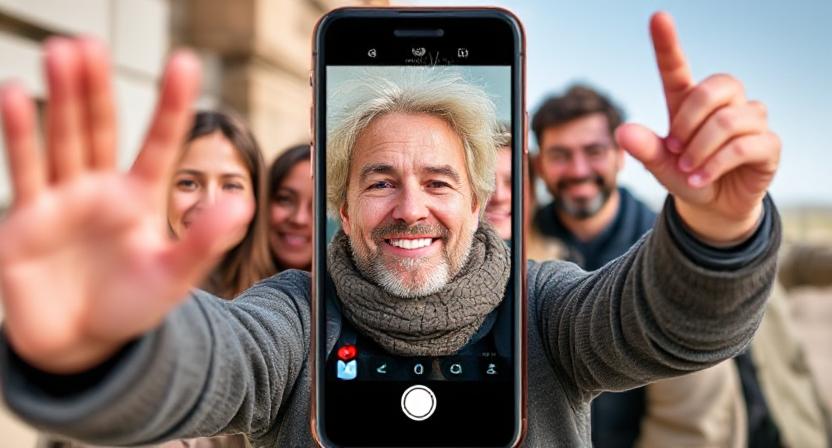
In a significant step toward safer online spaces for teens, Meta has announced plans to expand its video selfie age-checking system. The move comes as part of the company’s broader strategy to enhance user security and ensure compliance with age-related policies across its platforms like Instagram and Facebook.
The new age-verification method, already tested in select regions, involves users uploading a short video selfie. Artificial intelligence (AI) technology then estimates the user’s age based on facial analysis, helping Meta determine whether they meet the minimum age requirement of 13 years.
AI-Powered Verification Gains Ground
Meta’s expansion of this tool reflects growing pressure on tech companies to prevent underage users from accessing age-restricted content. With rising concerns around digital safety and child protection, the company’s reliance on AI for age detection could be a game-changer in social media regulation.
Unlike traditional age checks that rely on easily falsified information such as birthdates, the video selfie system is designed to be more reliable. Meta claims the technology does not use facial recognition, nor does it store biometric data. Instead, it uses a one-time analysis to verify age, then deletes the video immediately.
This new initiative is being developed in partnership with Yoti, a UK-based digital identity company specializing in age estimation technology. The collaboration brings additional transparency and technical strength to the process.
Why It Matters for Users and Parents
The introduction of video selfie age checks is part of Meta’s larger campaign to create a safer digital environment for young users. For parents, this adds a layer of confidence that their children are not bypassing age restrictions through simple workarounds.
Meta has emphasized that users always have multiple verification options. If they’re flagged as underage, they can either submit ID documentation or opt for social vouching, in which three mutual friends confirm the user’s age.
In tests conducted so far, the system has shown promising accuracy, with age estimation results reportedly correct within a 1.5-year margin. The feature will now begin rolling out to more countries after its successful pilot phase in the U.S. and select European regions.

Global Rollout Coming Soon
Meta plans to expand the rollout of the video selfie feature to additional markets over the next few months. The company has not released a specific timeline but confirmed it will continue evaluating its performance and user feedback.
As global regulations tighten around online child safety, tech giants like Meta are expected to take stronger measures. The expansion of this AI-powered age-checking tool could set a new industry standard, pushing other platforms to adopt similar systems.
With this proactive move, Meta aims to reaffirm its commitment to digital responsibility and regain public trust amid growing scrutiny of Big Tech’s role in youth protection.
Balancing Privacy with Protection
Meta insists that privacy remains a top priority throughout the age verification process. The company states that the video selfies are not visible to others, are not stored, and are permanently deleted after the age check is complete. This step aims to assure users—especially younger audiences and their guardians—that their personal data remains secure.
Furthermore, Meta is working to ensure the technology aligns with data protection laws, such as the General Data Protection Regulation (GDPR) in Europe. By partnering with a reputable identity verification company like Yoti, Meta is not only bolstering its credibility but also adhering to strict privacy standards.
The tech giant has also promised full transparency in how data is collected and used. This aligns with the company’s ongoing mission to regain user trust after facing repeated scrutiny over data handling practices in the past.
A Trendsetter in the Tech Industry?
Meta’s decision to roll out AI-powered age checks at a global scale could lead to a paradigm shift in social media regulation. As other platforms face similar challenges with underage users, they may look to Meta’s model as a blueprint for their own safety features.
Industry analysts suggest this could trigger a domino effect, with major platforms like TikTok, Snapchat, and YouTube adopting similar verification systems in the near future. Governments and child safety advocacy groups have long called for stronger measures, and Meta’s proactive stance may influence policy-making across the tech sector.
Already, several nations are debating or implementing stricter age verification laws for online platforms. Meta’s timing positions the company as a forward-thinker rather than a reluctant follower—a stance that may improve its public image in a competitive and heavily scrutinized industry.

Meta What Comes Next
As the global rollout unfolds, Meta plans to monitor user feedback closely and make adjustments to the age verification process as needed. The company also hinted at additional safety features being in development, potentially including AI-powered parental controls and real-time content moderation tools aimed at protecting younger users.
With digital safety becoming a top priority in 2025, Meta’s expanded video selfie system marks a critical step toward securing the online experiences of teens worldwide. The success of this feature could very well determine how the tech world approaches age verification for the foreseeable future.
In a time when trust and safety are at the core of user expectations, Meta is clearly making a calculated and strategic move. Whether this sets a new industry benchmark remains to be seen—but the message is clear: age matters, and Meta is watching.